
Military Aviation Bi-Plane Era 1903-35
Aviation & Military Book Centre was established in 2004. The ethos of the business from its inception was to be a specialist bookseller providing the best possible choice of aviation books from both the large publishing companies through to smaller publishers and supporting authors who have self-publishing their book. We offer aviation books specialising in the Bi-Plane era including World War One, Military Aviation from 1903 to 1935 encompassing World War One. This was a period of rapid innovation, transitioning from early experimental flight to structured aerial combat. This era saw the first powered flight, the birth of air forces around the world, and the evolution of air combat tactics. Characteristics of aircraft from this period of history, dominance of Biplane Design – Aircraft used two stacked wings for added lift, though at the cost of drag. Open Cockpits & Fixed Landing Gear – Pilots flew in open cockpits with minimal instrumentation. Fabric & Wood Construction – Aircraft were made of lightweight materials, often covered in doped fabric. Slow Speeds & Limited Armament – Early aircraft were unarmed; later models used machine guns synchronized with propellers. Emergence of Air Combat – Aerial reconnaissance led to dogfights, bombers, and strategic airpower concepts. Naval Aviation Develops – Aircraft carriers were introduced, altering naval warfare. Pioneering Aircraft (1903-1914) Wright Flyer (1903, USA) – First powered flight. Blériot XI (1909, France) – First aircraft to cross the English Channel. Etrich Taube (1910, Austria-Hungary) – Early reconnaissance aircraft. Curtiss Model D (1911, USA) – One of the first military aircraft. Farman MF.7 Longhorn (1913, France) – Used for reconnaissance and training. World War I (1914-1918) the war spurred rapid advancements in military aviation, transforming aircraft into critical combat assets. Fighter Aircraft from this period Fokker Eindecker (1915, Germany) – First fighter with a synchronized machine gun. Nieuport 11 (1916, France) – Agile scout fighter used in early air combat. Albatros D.III (1917, Germany) – Fast and well-armed, favoured by German aces. Sopwith Camel (1917, UK) – Iconic British fighter, difficult to fly but deadly. SPAD S.XIII (1917, France) – Flown by famous aces like Georges Guynemer. Fokker Dr.I (1917, Germany) – Triplane made famous by the Red Baron, Manfred von Richthofen. Bombers & Reconnaissance from this period Voisin III (1914, France) – Early bomber used by the French Air Service. Gotha G.V (1917, Germany) – Heavy bomber used in strategic raids on Britain. Handley Page O/400 (1918, UK) – One of the first strategic bombers. With the war over, aviation technology continued advancing, though military budgets shrank in many countries. During the Interwar years (1919-1935) things continued to develop with some of the technological innovations. All-Metal Aircraft – Aluminium structures replaced wood and fabric (Junkers J.I, 1918). Carrier-Based Aviation – The first aircraft carriers, like HMS Hermes (1924), made naval aviation crucial. Improved Engines – Radial engines provided better power and reliability. Notable Biplanes from this period of history (1919-1935) Boeing P-12 (1928, USA) – Key American pursuit plane. Hawker Fury (1931, UK) – One of the fastest biplane fighters. Fiat CR.32 (1933, Italy) – Used in the Spanish Civil War. Gloster Gladiator (1935, UK) – Last biplane fighter of the RAF. Polikarpov I-15 (1933, USSR) – Fast and manoeuvrable, used in the Spanish Civil War. Key Conflicts during the period 1903 to 1935 were these iconic aircraft served, World War I (1914-1918) – First large-scale aerial combat, with reconnaissance, dogfighting, and bombing missions. Spanish Civil War (1936-1939) – Showcased the decline of biplanes as monoplanes gained dominance. Interwar Skirmishes – Various conflicts in China, Latin America, and Africa featured biplane dogfights. By the end of the Biplane Era - the mid-1930s, monoplanes like the Messerschmitt Bf 109 and Hawker Hurricane made biplanes obsolete in front-line combat. However, biplanes remained in training and niche roles well into World War II.



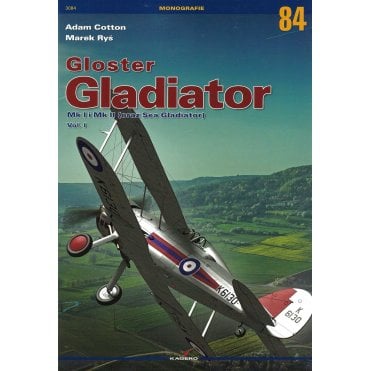
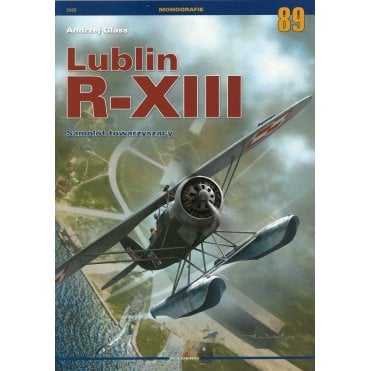

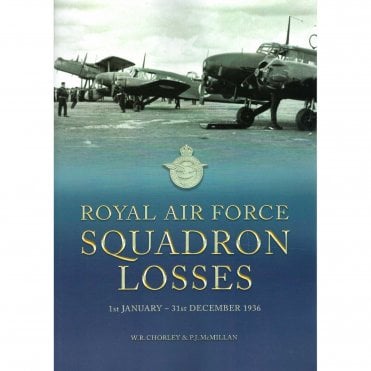
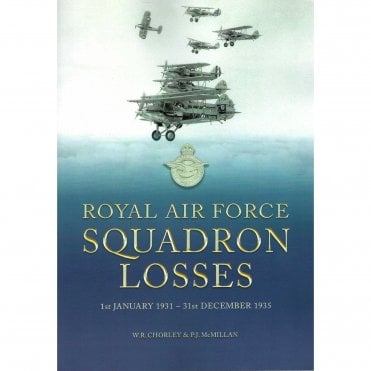
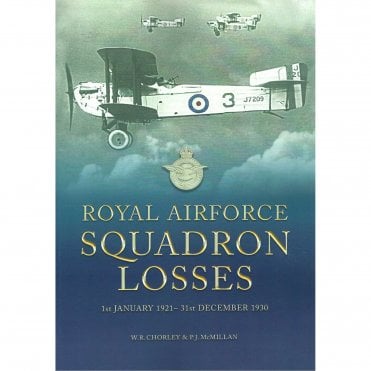
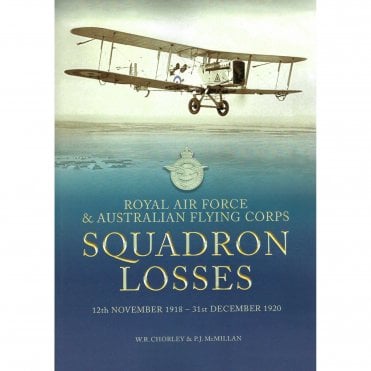
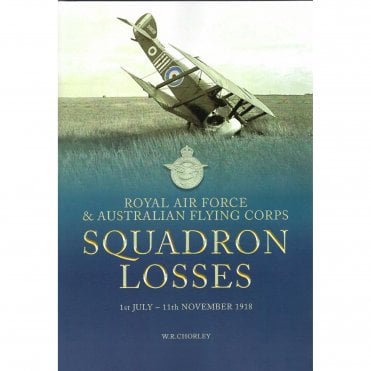
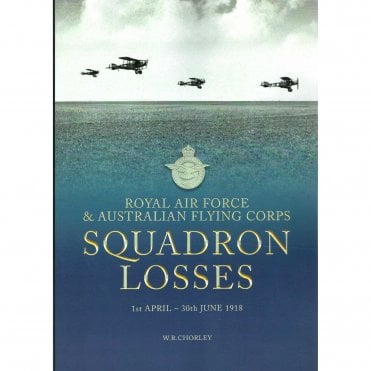



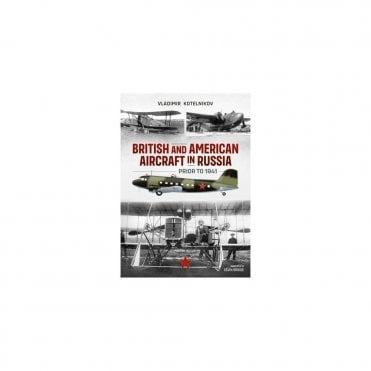
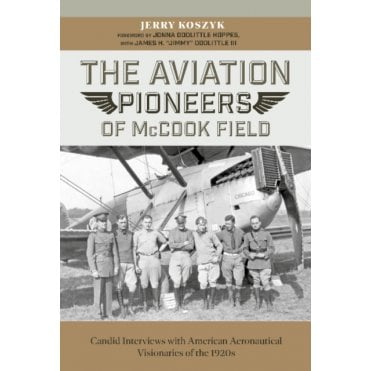
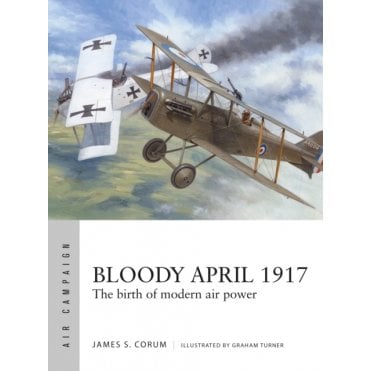
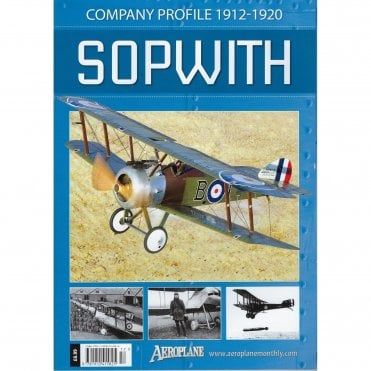
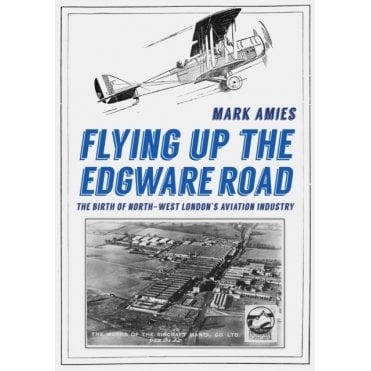
Aviation & Military Book Centre was established in 2004. The ethos of the business from its inception was to be a specialist bookseller providing the best possible choice of aviation books from both the large publishing companies through to smaller publishers and supporting authors who have self-publishing their book. We offer aviation books specialising in the Bi-Plane era including World War One, Military Aviation from 1903 to 1935 encompassing World War One. This was a period of rapid innovation, transitioning from early experimental flight to structured aerial combat. This era saw the first powered flight, the birth of air forces around the world, and the evolution of air combat tactics. Characteristics of aircraft from this period of history, dominance of Biplane Design – Aircraft used two stacked wings for added lift, though at the cost of drag. Open Cockpits & Fixed Landing Gear – Pilots flew in open cockpits with minimal instrumentation. Fabric & Wood Construction – Aircraft were made of lightweight materials, often covered in doped fabric. Slow Speeds & Limited Armament – Early aircraft were unarmed; later models used machine guns synchronized with propellers. Emergence of Air Combat – Aerial reconnaissance led to dogfights, bombers, and strategic airpower concepts. Naval Aviation Develops – Aircraft carriers were introduced, altering naval warfare. Pioneering Aircraft (1903-1914) Wright Flyer (1903, USA) – First powered flight. Blériot XI (1909, France) – First aircraft to cross the English Channel. Etrich Taube (1910, Austria-Hungary) – Early reconnaissance aircraft. Curtiss Model D (1911, USA) – One of the first military aircraft. Farman MF.7 Longhorn (1913, France) – Used for reconnaissance and training. World War I (1914-1918) the war spurred rapid advancements in military aviation, transforming aircraft into critical combat assets. Fighter Aircraft from this period Fokker Eindecker (1915, Germany) – First fighter with a synchronized machine gun. Nieuport 11 (1916, France) – Agile scout fighter used in early air combat. Albatros D.III (1917, Germany) – Fast and well-armed, favoured by German aces. Sopwith Camel (1917, UK) – Iconic British fighter, difficult to fly but deadly. SPAD S.XIII (1917, France) – Flown by famous aces like Georges Guynemer. Fokker Dr.I (1917, Germany) – Triplane made famous by the Red Baron, Manfred von Richthofen. Bombers & Reconnaissance from this period Voisin III (1914, France) – Early bomber used by the French Air Service. Gotha G.V (1917, Germany) – Heavy bomber used in strategic raids on Britain. Handley Page O/400 (1918, UK) – One of the first strategic bombers. With the war over, aviation technology continued advancing, though military budgets shrank in many countries. During the Interwar years (1919-1935) things continued to develop with some of the technological innovations. All-Metal Aircraft – Aluminium structures replaced wood and fabric (Junkers J.I, 1918). Carrier-Based Aviation – The first aircraft carriers, like HMS Hermes (1924), made naval aviation crucial. Improved Engines – Radial engines provided better power and reliability. Notable Biplanes from this period of history (1919-1935) Boeing P-12 (1928, USA) – Key American pursuit plane. Hawker Fury (1931, UK) – One of the fastest biplane fighters. Fiat CR.32 (1933, Italy) – Used in the Spanish Civil War. Gloster Gladiator (1935, UK) – Last biplane fighter of the RAF. Polikarpov I-15 (1933, USSR) – Fast and manoeuvrable, used in the Spanish Civil War. Key Conflicts during the period 1903 to 1935 were these iconic aircraft served, World War I (1914-1918) – First large-scale aerial combat, with reconnaissance, dogfighting, and bombing missions. Spanish Civil War (1936-1939) – Showcased the decline of biplanes as monoplanes gained dominance. Interwar Skirmishes – Various conflicts in China, Latin America, and Africa featured biplane dogfights. By the end of the Biplane Era - the mid-1930s, monoplanes like the Messerschmitt Bf 109 and Hawker Hurricane made biplanes obsolete in front-line combat. However, biplanes remained in training and niche roles well into World War II.
