
Civil Aviation
Aviation & Military Book Centre was established in 2004. The ethos of the business from its inception was to be a specialist bookseller providing the best possible choice of aviation books from both the large publishing companies through to smaller publishers and supporting authors who have self-publishing their book. We offer aviation books and magazines specialising in the History of Civil Aviation. Civil aviation, encompassing commercial air travel and general aviation and there aircrafts, has evolved from pioneering flights in the early 20th century to today's global air transport network. This transformation has been driven by technological advancements, safety improvements, and increasing demand for air travel. The Pioneering Era (1903–1919) 1903: The Wright brothers' first powered flight in the Wright Flyer (USA). 1909: Louis Blériot crosses the English Channel in a Blériot XI, proving air travel viability. 1914: The world’s first scheduled airline service begins in Florida with the St. Petersburg-Tampa Airboat Line. World War I (1914-1918): Military aviation advances lead to improved aircraft, laying the groundwork for civilian air transport. The Birth of Commercial Aviation (1920–1939). Following WWI, surplus aircraft and skilled pilots spurred the growth of civil aviation. Early Airlines formed in this period, 1920: KLM (Netherlands) founded, now the world’s oldest operating airline. 1923: Aeroflot (Russia) established. 1924: Imperial Airways (UK) begins long-distance flights. 1926: Lufthansa (Germany) founded. 1927: Pan American Airways (USA) pioneers international flights. Technological advancements during this period of civil aviation, 1920s: Introduction of enclosed cabins (e.g., Fokker F.VII) for passenger comfort. 1927: Charles Lindbergh’s solo transatlantic flight in the Spirit of St. Louis inspires global interest in air travel. 1930s: Development of all-metal monoplanes, retractable landing gear, and radio navigation. 1935: The Douglas DC-3 revolutionizes air travel with improved speed, capacity, and economics. Advances in civil aviation during the World War II period (1940–1945) military advancements lead to more powerful, reliable aircraft. The post-war years was a boom for commercial and civil aviation due to the number of surplus aircraft like the Douglas DC-3 which fueled the growth in airline company expansion. The Jet Age arrived (1950s–1970s) with the following key developments, 1949: The de Havilland Comet (UK), the first commercial jet, enters service. 1958: The Boeing 707 ushers in mass air travel with transatlantic flights. 1960s: Growth of major international airlines (Pan Am, British Airways, Air France, Lufthansa). 1969: The Boeing 747, the first wide-body jumbo jet, increases affordability of air travel. The economic and social impact of the advancement of aircraft technology leads to air travel becoming the mainstay of international travel replacing ocean liners for long-distance travel. With major airports expand, and air traffic control systems develop. Supersonic Era & Deregulation (1970s–1990s) 1976: Concorde (UK-France) enters service, flying at Mach 2. Concorde served until 2003 when the aircraft retires retires due to high running costs and limited demand. Civil aviation contunied to evolve with airline deregulation: Low-cost carriers, airlines optimize routes via major hub airports. The Modern Era of civil aviation contunies to evolve with the rise of budget airlines (e.g., Ryanair, AirAsia, easyJet) Gulf carriers contunie to expand: Emirates, Qatar Airways, and Etihad reshape global air travel. Advances in Aircraft technology contunies with Airbus A380 (2005): Largest passenger plane, enabling hub-to-hub travel. Boeing 787 Dreamliner (2011): Fuel-efficient long-haul flights enable direct city-to-city routes. The digital revolution with: Online booking, e-tickets, and self-check-in transform passenger experience. The Future of Civil Aviation will focus on sustainable Aviation, a focus on biofuels, hydrogen, and electric aircraft. urban air mobility, flying taxis and drones for short-range transport. Autonomous & AI-Assisted flight, advanced automation to improve efficiency and safety. In conclusion, from the Wright brothers’ first flight to today’s global air travel network, civil aviation has revolutionized transportation, connecting the world like never before. As technology advances, the future of air travel will focus on sustainability, efficiency, and accessibility.










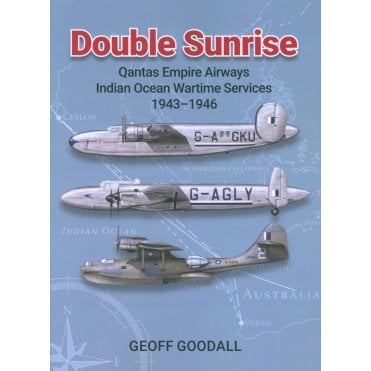


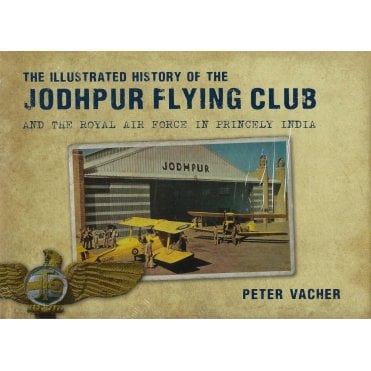

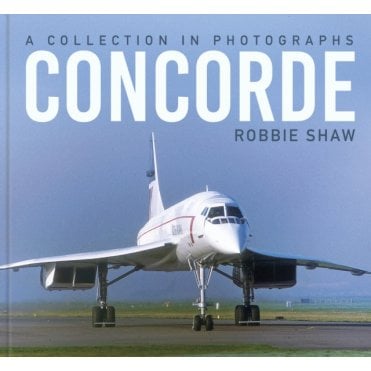

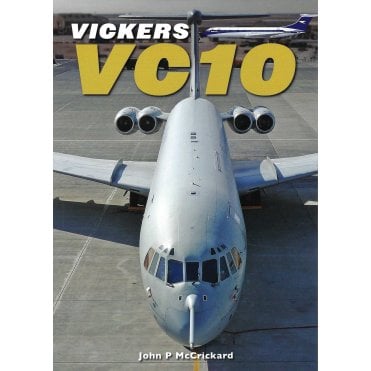










Aviation & Military Book Centre was established in 2004. The ethos of the business from its inception was to be a specialist bookseller providing the best possible choice of aviation books from both the large publishing companies through to smaller publishers and supporting authors who have self-publishing their book. We offer aviation books and magazines specialising in the History of Civil Aviation. Civil aviation, encompassing commercial air travel and general aviation and there aircrafts, has evolved from pioneering flights in the early 20th century to today's global air transport network. This transformation has been driven by technological advancements, safety improvements, and increasing demand for air travel. The Pioneering Era (1903–1919) 1903: The Wright brothers' first powered flight in the Wright Flyer (USA). 1909: Louis Blériot crosses the English Channel in a Blériot XI, proving air travel viability. 1914: The world’s first scheduled airline service begins in Florida with the St. Petersburg-Tampa Airboat Line. World War I (1914-1918): Military aviation advances lead to improved aircraft, laying the groundwork for civilian air transport. The Birth of Commercial Aviation (1920–1939). Following WWI, surplus aircraft and skilled pilots spurred the growth of civil aviation. Early Airlines formed in this period, 1920: KLM (Netherlands) founded, now the world’s oldest operating airline. 1923: Aeroflot (Russia) established. 1924: Imperial Airways (UK) begins long-distance flights. 1926: Lufthansa (Germany) founded. 1927: Pan American Airways (USA) pioneers international flights. Technological advancements during this period of civil aviation, 1920s: Introduction of enclosed cabins (e.g., Fokker F.VII) for passenger comfort. 1927: Charles Lindbergh’s solo transatlantic flight in the Spirit of St. Louis inspires global interest in air travel. 1930s: Development of all-metal monoplanes, retractable landing gear, and radio navigation. 1935: The Douglas DC-3 revolutionizes air travel with improved speed, capacity, and economics. Advances in civil aviation during the World War II period (1940–1945) military advancements lead to more powerful, reliable aircraft. The post-war years was a boom for commercial and civil aviation due to the number of surplus aircraft like the Douglas DC-3 which fueled the growth in airline company expansion. The Jet Age arrived (1950s–1970s) with the following key developments, 1949: The de Havilland Comet (UK), the first commercial jet, enters service. 1958: The Boeing 707 ushers in mass air travel with transatlantic flights. 1960s: Growth of major international airlines (Pan Am, British Airways, Air France, Lufthansa). 1969: The Boeing 747, the first wide-body jumbo jet, increases affordability of air travel. The economic and social impact of the advancement of aircraft technology leads to air travel becoming the mainstay of international travel replacing ocean liners for long-distance travel. With major airports expand, and air traffic control systems develop. Supersonic Era & Deregulation (1970s–1990s) 1976: Concorde (UK-France) enters service, flying at Mach 2. Concorde served until 2003 when the aircraft retires retires due to high running costs and limited demand. Civil aviation contunied to evolve with airline deregulation: Low-cost carriers, airlines optimize routes via major hub airports. The Modern Era of civil aviation contunies to evolve with the rise of budget airlines (e.g., Ryanair, AirAsia, easyJet) Gulf carriers contunie to expand: Emirates, Qatar Airways, and Etihad reshape global air travel. Advances in Aircraft technology contunies with Airbus A380 (2005): Largest passenger plane, enabling hub-to-hub travel. Boeing 787 Dreamliner (2011): Fuel-efficient long-haul flights enable direct city-to-city routes. The digital revolution with: Online booking, e-tickets, and self-check-in transform passenger experience. The Future of Civil Aviation will focus on sustainable Aviation, a focus on biofuels, hydrogen, and electric aircraft. urban air mobility, flying taxis and drones for short-range transport. Autonomous & AI-Assisted flight, advanced automation to improve efficiency and safety. In conclusion, from the Wright brothers’ first flight to today’s global air travel network, civil aviation has revolutionized transportation, connecting the world like never before. As technology advances, the future of air travel will focus on sustainability, efficiency, and accessibility.
