Military Aviation Piston Era 1936-45 Page 4 of 23
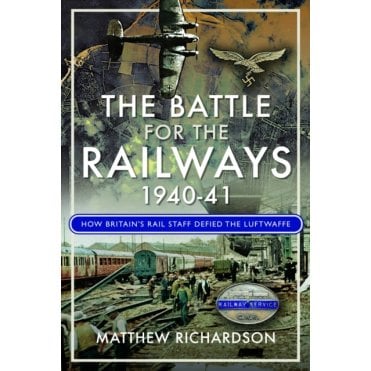
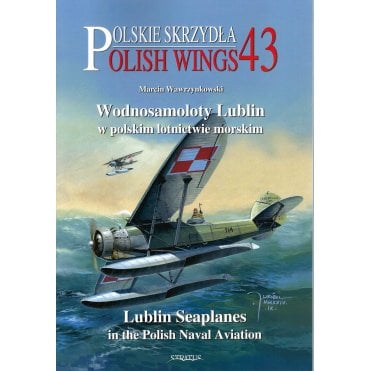
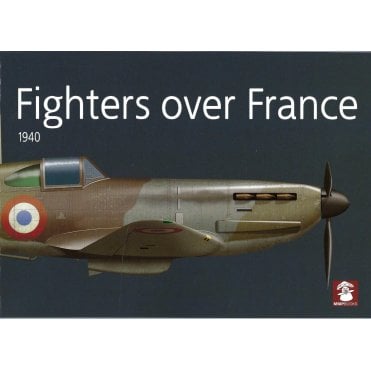
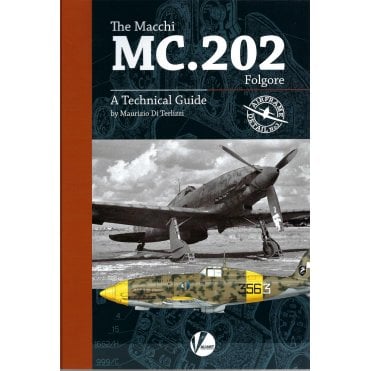
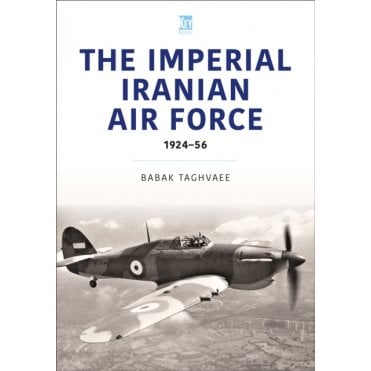
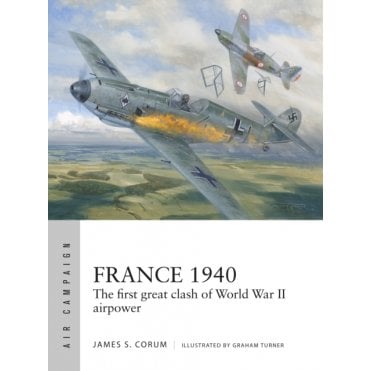
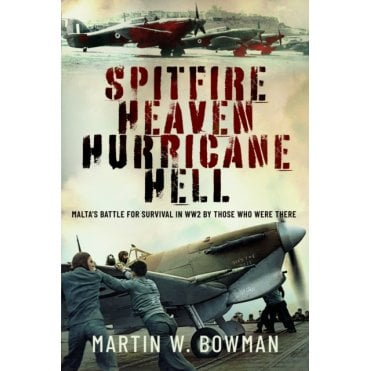
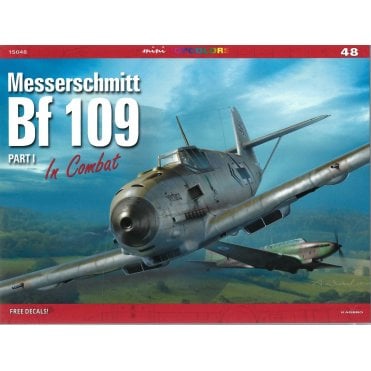
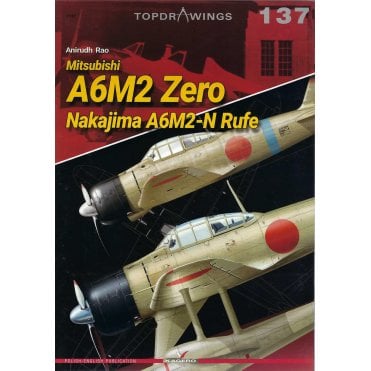
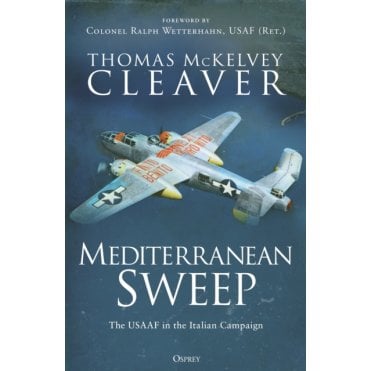
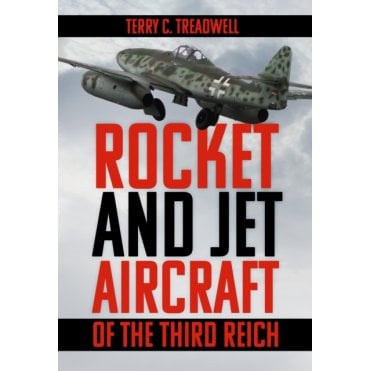
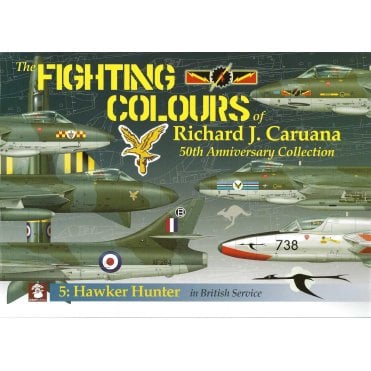
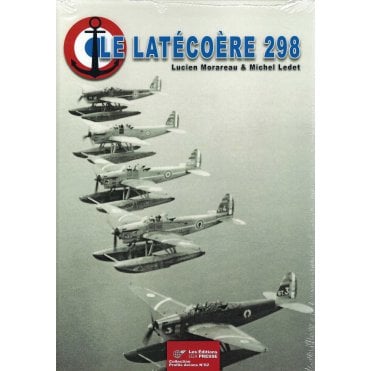
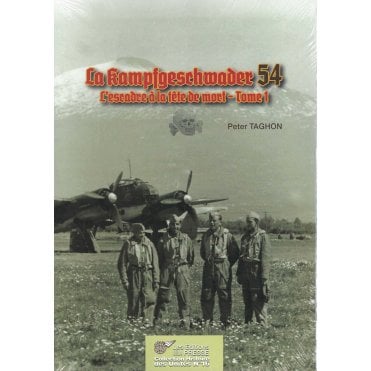
Aviation & Military Book Centre was established in 2004. The ethos of the business from its inception was to be a specialist bookseller providing the best possible choice of aviation books from both the large publishing companies through to smaller publishers and supporting authors who have self-publishing their book. We offer aviation books specialising in Civil and Military Aviation from from the Piston era, 1936 to 1945 encompassing World War Two and on to Jet Military Aviation era. The piston-engine era of military aviation (1936-1945) was a transformative period in air combat, characterized by rapid technological advancements, high-performance aircraft, and the critical role of air power in World War II. Transition from Biplanes to Monoplanes – By the late 1930s, biplanes like the Gloster Gladiator and Polikarpov I-15 were being replaced by modern monoplanes such as the Messerschmitt Bf 109 and Hawker Hurricane. High-Performance Engines – Aircraft were powered by high-output piston engines, such as the Rolls-Royce Merlin, Pratt & Whitney R-2800, and Daimler-Benz DB 605. Advanced Aerodynamics – Streamlined fuselages, retractable landing gear, enclosed cockpits, and improved wing designs contributed to superior speed and manoeuvrability. Increased Firepower – Fighters transitioned from light machine guns to heavy machine guns and cannons, while bombers carried heavier payloads. Strategic Air Warfare – Bombing campaigns (e.g., the Blitz, Doolittle Raid, firebombing of Dresden, and atomic bomb missions) demonstrated the growing importance of air superiority. Rise of Carrier Aviation – Aircraft carriers became dominant naval weapons, with aircraft like the F6F Hellcat and A6M Zero proving crucial in Pacific battles.
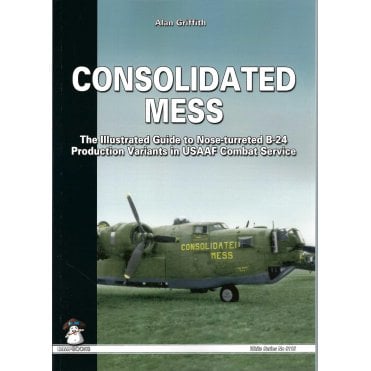
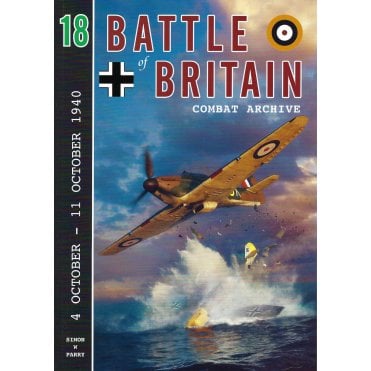
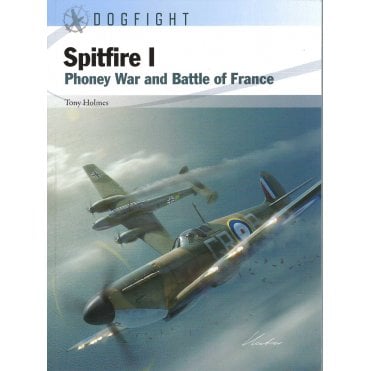
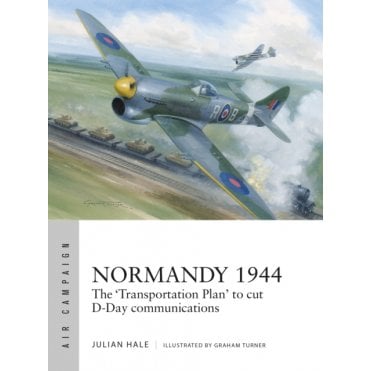
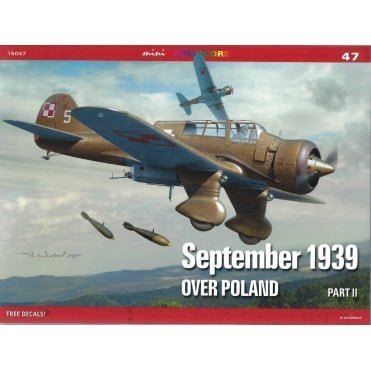
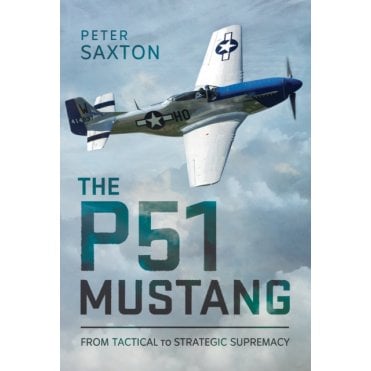
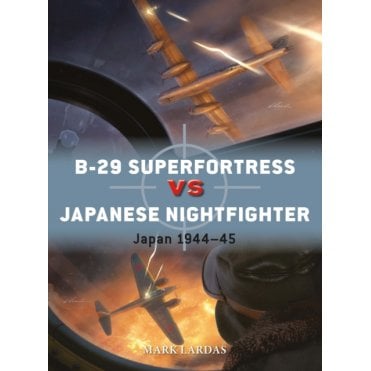
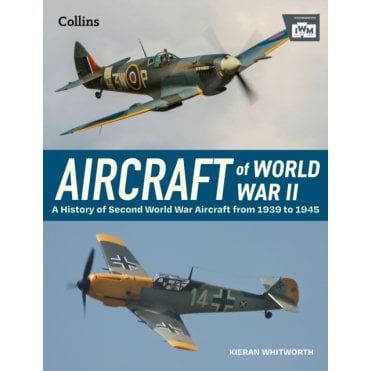
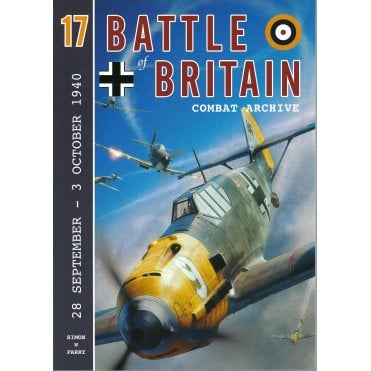
Iconic Aircraft from this period: Supermarine Spitfire (UK) – Legendary for its role in the Battle of Britain. Messerschmitt Bf 109 (Germany) – Backbone of the Luftwaffe. P-51 Mustang (USA) – Long-range escort fighter, crucial for bomber missions. Focke-Wulf Fw 190 (Germany) – Versatile and powerful, a formidable opponent. Mitsubishi A6M Zero (Japan) – Agile and lethal but vulnerable to improved Allied fighters. Yakovlev Yak-3 (USSR) – A Soviet air-superiority fighter excelling at low altitudes. Iconic Bombers from this period: B-17 Flying Fortress (USA) – Famous for durability and strategic bombing missions. B-24 Liberator (USA) – Long-range and heavily armed. Lancaster (UK) – The backbone of RAF Bomber Command. Ju 87 Stuka (Germany) – Notorious dive bomber used for blitzkrieg tactics. Heinkel He 111 (Germany) – Main Luftwaffe medium bomber. Grumman F6F Hellcat (USA) – The dominant US Navy fighter in the Pacific. Douglas SBD Dauntless (USA) – Key dive bomber in the Battle of Midway. Fairey Swordfish (UK) – Obsolete-looking biplane that helped sink the Bismarck. These aircraft served in some of the major conflicts Air Battles of this period. Spanish Civil War (1936-1939) – A proving ground for German and Soviet aircraft. Battle of Britain (1940) – First major air campaign, fought between the RAF and Luftwaffe. Pearl Harbour (1941) – Showed the devastating power of carrier-based air strikes. Midway (1942) – Turned the tide in the Pacific War, largely fought by carrier aircraft. Strategic Bombing of Germany & Japan (1943-45) – Devastating air campaigns that targeted infrastructure, industry, and cities. D-Day Air Support (1944) – Allied air superiority enabled the success of the Normandy invasion. Aviation & Military Book Centre offer an extensive range of books and magazines covering this subject area.